Source-checked guide for adult readers and retailer evidence teams. Not legal, medical or product-safety advice.
Quick answer: A disposable vape can change with age, storage and use, but there is no universal shelf-life number that can be read from the product type alone. Use an explicitly labelled date and the manufacturer’s instructions when they exist. A manufacture date, batch code, model number or security code is not automatically an expiry date. If the date or code is unclear, record the exact pack and ask the manufacturer or accountable supplier instead of guessing.
This guide explains what a vape label can establish, what still needs verification, and when product condition matters more than printed information. Sources were rechecked on 15 July 2026.
Read identity before claims
Start by proving which product is in front of you. Similar-looking packs can contain different nicotine strengths, liquid volumes, device revisions or market variants. A brand name alone is not enough for a retailer intake record, authenticity check or market-status decision.
| Label field | What it can help establish | What it does not prove |
|---|---|---|
| Product and model name | The named device, pod, refill or kit family. | That every version under the brand has the same specification or market status. |
| Manufacturer or importer | The business named on the pack or leaflet and a route for questions. | That the seller, pack or product is authentic. |
| Flavour and nicotine information | The printed variant, nicotine content and, where stated, delivery information. | Independent measurement, health effect or suitability for a particular person. |
| Liquid quantity | The declared volume for the exact unit or refill component. | Measured usable volume or a universal puff count. |
| Batch or lot code | A traceability reference that may connect units to a production record. | An expiry date unless the manufacturer explicitly defines it as one. |
| Printed date | A date only when its label explains the meaning, such as manufacture, best-before or use-by. | Remaining performance or safe condition after unknown storage, damage or opening. |
| Verification or security code | A code that may be checked through the exact manufacturer’s official verification route. | Authorization, notification, current condition or seller legitimacy by itself. |
| GBID, ECID or other market identifier | A reference that may support an exact notification or listing check in the relevant system. | A cross-market approval, safety certification or blanket brand authorization. |
| Battery and charging claim | The marked capacity, charging-port type or manufacturer instruction. | Measured usable capacity, charger compatibility beyond the instructions, or battery health. |
Do disposable vapes expire?
The evidence-first answer is: do not infer one universal date. A device combines e-liquid, a battery, seals, wick material, electronics and packaging, and those parts do not all age in the same way. The relevant manufacturer may provide a best-before date, manufacture date, storage instruction or market-specific leaflet. Read those exact labels before using a generic number from a retailer blog or search snippet.
If a pack says best before or use by, record the full wording and date. If it only prints a date without a label, do not decide whether it means manufacture, packing, inspection or expiry. If there is no date, that absence does not create a default shelf life. Ask the named manufacturer or accountable supplier with the product name, market, batch code and clear pack photos.
A date also cannot override present condition. A unit that is damaged, swollen, leaking near electronics, unusually hot, producing an unusual odor or sound, or firing unexpectedly needs stop-use escalation even when its printed date appears current.
How to separate dates and codes
Manufacture or production date
This identifies when a product or component was made if the label says so. It is not an expiry date and does not reveal the entire storage history.
Best-before or use-by date
Use the manufacturer’s exact wording and instructions. Do not extend, shorten or translate the date into a safety guarantee without product-specific evidence.
Batch or lot code
UK and EU rules for nicotine-containing consumer e-cigarettes use batch information as part of product traceability. A batch code may look like a date, but its structure belongs to the producer. Record it exactly; do not decode it from an internet pattern unless the responsible manufacturer publishes that pattern.
Model, revision or package code
This can distinguish a device version, pack configuration or market variant. It may be essential when two products share a marketing name but have different liquid, battery or control claims.
Verification or anti-counterfeit code
Use only the official domain reached independently, not a QR destination assumed to be legitimate because it is printed on the pack. Follow the VapeRisk official-domain authenticity workflow. A successful code result is one evidence class; it does not settle authorization, notification, product condition or seller records.
Opened, unopened and storage history
“Unopened” describes package state, not a complete history. Heat exposure, freezing, water, impact, damaged seals, long warehouse time or an unknown supply chain can matter even when the outer pack appears closed. “Opened” can introduce additional uncertainty because the device may have been activated, charged, handled or stored between uses.
EU Article 20 requires a leaflet with instructions for use and storage for covered consumer e-cigarettes and refill containers. The current European Commission overview also points readers to packaging information and instructions. Follow the exact leaflet and manufacturer route for the product and market. If instructions are missing or conflict across the pack, listing and manual, record the mismatch in the retailer intake file and resolve it before making a shelf or use decision.
Do not improvise by opening, puncturing, refilling, bypassing, scraping or electrically testing a sealed disposable. Label reading is a non-invasive evidence step.
Read claims as questions, not proof
Puff count, battery capacity, coil description, leak resistance, charging speed, display features and “smart” modes are manufacturer claims unless independently verified. Convert each claim into a checkable question:
- Is the claim tied to the exact model, mode and market variant?
- Does the manual repeat it, or does it appear only on retail artwork?
- Is a number measured, marked on a component or only advertised?
- Does a puff figure state the test method, draw duration, interval or operating mode?
- Does a compliance or notification reference match the exact product rather than the brand?
For the difference between marked and observed specifications, use the Claimed vs Measured evidence dataset and VapeRisk testing methodology. A teardown finding remains specific to the sample and method reported.
UK and EU label context
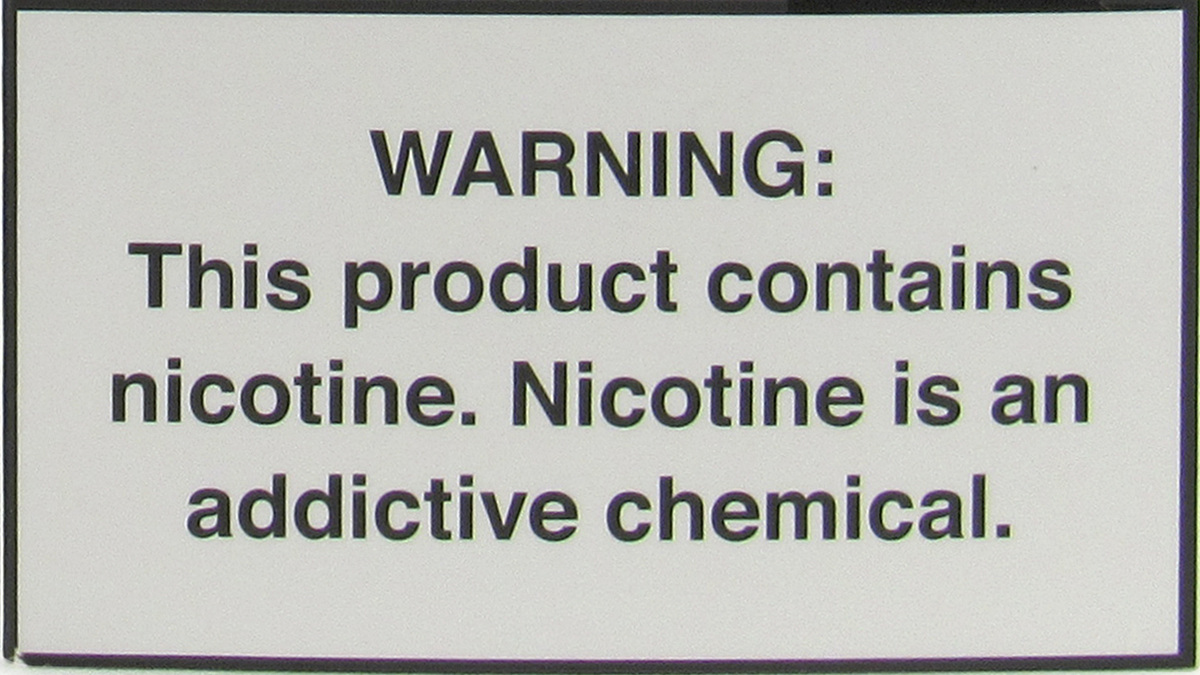
The UK MHRA consumer-products guidance describes notification, labelling and warning requirements for nicotine-containing vaping products. EU Article 20 requires covered packs to include ingredients, nicotine information, a batch number and a child-safety recommendation, with a leaflet containing use and storage instructions, contraindications, risk-group warnings, possible adverse effects, addictiveness, toxicity and manufacturer or importer contact details.
Those rules do not make every printed label accurate, prove that a specific unit was properly notified, or establish eligibility in another market. For a current business decision, route the exact SKU through Vape Compliance & Market. For the live UK packaging and display proposal, keep consultation language separate from rules already in force and use the UK consultation owner.
When to stop reading and stop using
A label check cannot diagnose a damaged device. Stop using and charging a vape that is swollen, damaged, leaking near the electronics, unusually hot, smoking, sparking, producing an unusual odor or sound, or firing unexpectedly. Do not keep handling it to finish a label check.
- Use the battery-safety checklist for damage, heat, smoke, sparks, odor, sound, unexpected firing, travel and disposal escalation.
- Use the charging-symptom owner for safe, non-invasive USB-C and warning-sign checks.
- Use the leak owner to separate condensation and flooding questions from electronics-area leakage and stop-use signs.
FDA advises learning the device and following appropriate battery handling and charging guidance, and provides a route to report quality or safety problems. A current date or successful verification-code result does not cancel those condition-based warnings.
Retailer record: what to save
For a new SKU or questionable unit, preserve:
- front, back, side and seal photos;
- exact product, flavour, nicotine and liquid information;
- manufacturer, importer, supplier and invoice trail;
- every date and code with its printed label, without interpretation;
- manual or leaflet version and storage instructions;
- official verification result and the domain used;
- market listing or notification check with date;
- damage, leakage, heat or packaging exceptions;
- the person who checked the record and the next recheck date.
For unattended retail, keep product identity separate from age-control, privacy, payment and machine evidence in the vending-machine due-diligence guide.
FAQ
Do disposable vapes have an expiry date?
Some products may print a best-before, use-by or manufacture date, but there is no universal date that can be inferred from the disposable format alone. Follow the exact label and manufacturer instructions.
Is a batch code the same as an expiry date?
No. A batch or lot code is a traceability reference. Treat it as an expiry date only if the responsible manufacturer explicitly defines it that way.
What if a vape prints a date without saying what it means?
Record the date and surrounding code exactly, then ask the manufacturer or accountable supplier. Do not guess whether it is a manufacture, packing, inspection or expiry date.
Does an unopened vape last longer?
An unopened pack may reduce some handling uncertainty, but it does not reveal heat, water, impact, seal damage or the full storage history. Use product-specific instructions and inspect condition.
Does a successful security-code check prove the vape is safe?
No. It can support an authenticity check through an official route, but it does not prove safe condition, authorization, notification, remaining performance or seller legitimacy.
Can a printed puff count be treated as measured performance?
No. It is a claim unless the method and evidence are independently established. Mode, draw duration, interval, liquid delivery and battery behavior can affect the result.
When should I stop using a vape regardless of the date?
Stop using and charging a device that is swollen, damaged, leaking near electronics, unusually hot, smoking, sparking, producing an unusual odor or sound, or firing unexpectedly.